Most Valuable Soccer Players: Transfermarkt Top 20
Transfermarkt rankings spotlight the most valuable soccer players, with eight Premier League stars in the top 20 and Yamal leading at 18.
Transfermarkt rankings spotlight the most valuable soccer players, with eight Premier League stars in the top 20 and Yamal leading at 18.
Transfermarkt’s latest update always lands like a mini transfer window of its own, because the numbers shape narratives before a bid is even drafted. This time, the list of the most valuable soccer players puts familiar superstars next to a new-age headliner in Lamine Yamal, while the Premier League’s depth shows up in bulk with eight names inside the top 20. The valuations also hint at pressure points, from Bukayo Saka’s wobble to Chelsea and Liverpool debates about who truly drives value.
The newest Transfermarkt rankings don’t just crown the most valuable soccer players; they map where the sport’s leverage sits ahead of summer. Clubs read these figures as a mixture of performance, age curve, contract length, and commercial pull, which is why the list can look conservative even when a player feels “hot.” Still, the top end remains brutally reactive, and even a few quiet weeks can shave millions off perceived worth.
What stands out in this cycle is how the rankings capture shifting dynamics inside elite squads, not only across leagues. Arsenal, Barcelona, Real Madrid, Chelsea, and Liverpool all have players whose valuations double as internal verdicts on responsibility and ceiling. That’s why Transfermarkt rankings become soccer transfer news in themselves: they influence asking prices, wage expectations, and the confidence of selling clubs to hold firm.
Market value is not a transfer fee, yet it behaves like a public negotiation anchor. When the most valuable soccer players are listed, agents and sporting directors gain a reference point for everything from contract renewals to amortisation planning. The number also reflects availability: injuries, rotation, and role clarity can all dampen momentum. In that sense, Transfermarkt is measuring a player’s “tradability” as much as their talent.
Eight Premier League players in the top 20 is less a victory lap and more a reminder of the league’s ability to turn excellence into global pricing power. Broadcast reach, wage capacity, and competitive intensity mean even slight improvements can be monetised quickly. For Premier League players, a big Champions League night or a title run can add value at speed. The flip side is that dips are punished just as fast, because scrutiny is constant.
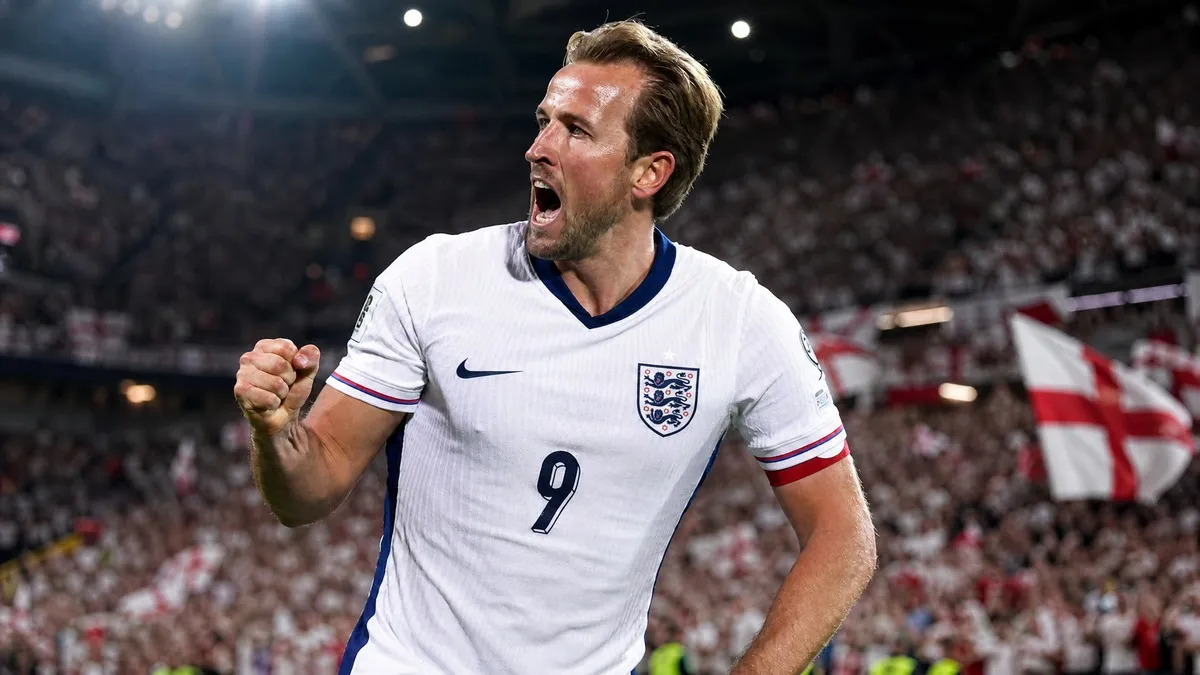
Bukayo Saka value taking a slight step back is the kind of headline that can sound harsher than the reality. He remains one of the most valuable soccer players because his profile is still elite: young, durable by modern standards, positionally versatile, and central to Arsenal’s identity. But Transfermarkt rankings are sensitive to rhythm, and inconsistent form—however understandable in a heavy schedule—creates a small drag on the number.
For Arsenal, this is less about panic and more about the cost of being the focal point. Teams now build entire defensive plans around denying Saka’s right-sided patterns, forcing him to receive deeper or wider and making his output feel streaky. That tactical attention is a compliment, yet it can flatten the kind of week-to-week production that fuels player valuations. The most valuable soccer players are often the ones opponents can’t scheme away.
In valuation terms, inconsistency doesn’t mean a player is poor; it means the market can’t project the next step with certainty. If Saka oscillates between match-winning bursts and quieter stretches, the model tends to pause rather than accelerate. Bukayo Saka value is also tied to Arsenal’s collective ceiling, because deep Champions League runs amplify global perception. When the team looks slightly less fluent, individual numbers can plateau.
Even with a minor dip, Arsenal remain in a powerful position because scarcity matters at the top end. Elite right-wingers who can create, finish, and defend in a pressing system are rare, and that keeps Saka among the most valuable soccer players regardless of a few off weeks. Contract length and leadership status also protect the valuation, because selling is not a necessity. In soccer transfer news terms, that’s the difference between “available” and “unbuyable.”
Lamine Yamal being the most valuable player at just 18 is the kind of data point that forces everyone to recalibrate. Barcelona have a winger who already looks like a system, not just a prospect, and the market rewards that combination of youth and immediate influence. In the conversation about the most valuable soccer players, age is usually a multiplier, but only when the performance is already first-team decisive. Yamal checks that box with room to spare.
Barcelona’s context makes it even louder, because the club’s finances and identity are tied to producing and showcasing a generational talent. Yamal’s valuation is not only about dribbles and end product; it’s about the belief that he can be the face of a cycle. Transfermarkt rankings effectively price in future Ballon d’Or chatter, and that’s rare for a player who still has years before his physical peak. The most valuable soccer players list rarely leans this hard into potential.
Yamal’s value is protected by several layers: his age, his role at Barcelona, and the scarcity of players who create advantages on demand. He plays with a calm that suggests repeatability, which is crucial for player valuations that try to avoid hype spikes. Add the commercial pull of a homegrown Barcelona star, and the number becomes almost symbolic. That’s why he sits comfortably among the most valuable soccer players despite being early in his journey.
In pure soccer transfer news terms, the question always appears: if someone offered a record fee, would Barcelona listen? Realistically, the club’s sporting logic says no, because you don’t sell the kind of talent you can’t replace. Yet the valuation also creates pressure, because every contract negotiation becomes a headline and every dip in form becomes magnified. The most valuable soccer players carry a weight of expectation, and at 18 that can be as challenging as any defender.
Cole Palmer’s rise has been one of the season’s clearest examples of how quickly Premier League players can climb the valuation ladder. At Chelsea, he has gone from intriguing signing to central reference point, the player through whom attacks breathe. That kind of responsibility is gold in Transfermarkt rankings because it suggests a skill set that scales with better teammates. It’s also why he now sits in discussions about the most valuable soccer players, not merely the most improved.
Chelsea’s wider chaos actually sharpens Palmer’s case, because value is often about being the solution in a messy environment. When a team lacks structure, the player who consistently creates goals and calm becomes more desirable to everyone else. But scrutiny follows, too, especially as Chelsea try to decide which pieces are foundational and which are tradable. Player valuations become internal strategy documents, and Palmer’s number is a loud argument to build around him.
Some rises look temporary, driven by finishing streaks, but Palmer’s looks more stable because his contribution isn’t only goals. His decision-making in the final third, his ability to receive under pressure, and his composure on big moments translate across systems. That makes him one of the most valuable soccer players in a practical sense: many clubs could plug him into their attacking midfield or wide roles without redesigning everything. Transfermarkt rankings tend to reward that portability.
For all the talk that Chelsea might flip assets, Palmer’s trajectory changes the tone because he’s now an identity piece. If you’re trying to climb back into the Champions League, you don’t move the player who makes your chance creation coherent. In soccer transfer news, the biggest fees often come when a club doesn’t need to sell, and that’s where Chelsea want to be again. The most valuable soccer players are usually protected by ambition, not accounting.
Jude Bellingham continues to justify his place among the most valuable soccer players because his influence is both immediate and adaptable. At Real Madrid, he has looked like a midfielder with striker instincts, arriving into the box with timing that makes defensive schemes feel pointless. For England, he’s the same: a player who changes games without needing everything built around him. That versatility is central to player valuations, because it reduces risk for any squad construction.
Real Madrid also amplifies value in a unique way, turning big performances into global events. A decisive Champions League night at the Bernabéu doesn’t just win points; it cements reputation and commercial pull, which Transfermarkt rankings quietly factor in. Bellingham’s age profile means there’s still growth to come, and that is terrifying for everyone else. In a market obsessed with ceiling, he remains one of the most valuable soccer players with unusually high certainty.
Madrid’s platform is a multiplier because it combines trophies, spotlight, and a history of turning stars into icons. When a player thrives there, the market assumes they can thrive anywhere, even if that’s not always true. For Bellingham, the fit looks genuine: his athleticism covers ground, his technique survives pressure, and his mentality suits big stages. That’s why his place in the most valuable soccer players conversation feels secure rather than speculative.
International football can be a valuation amplifier when a player becomes the clear reference point for a major nation. England have multiple stars, but Bellingham increasingly feels like the one who connects phases and raises the ceiling in knockout matches. If he dominates a tournament, Transfermarkt rankings will reflect that quickly, because global attention spikes. The most valuable soccer players are often the ones who own summer moments, and Bellingham is built for them.
The top of the list is glamorous, but the real story in Transfermarkt rankings is how many “connector” stars are now priced like superstars. Phil Foden’s standing reflects a Premier League ecosystem where technical midfielders and wide creators are valued as match-winners, not luxury pieces. Alexis Mac Allister’s reputation at Liverpool shows how a complete midfielder can become indispensable without viral highlights. In the most valuable soccer players debate, these profiles underline how teams now pay for control.
Dominik Szoboszlai’s impact is a reminder that perception can swing on role clarity and physical availability. When he looks like the engine of Liverpool’s press-and-break game, his valuation rises because the market loves midfielders who can run, strike, and lead. Michael Olise, now a regular for France, adds another layer: international recognition can validate club form and push player valuations into a new bracket. The most valuable soccer players list is increasingly crowded with multi-skill attackers.
Liverpool’s squad evolution makes valuations feel like a referendum on the future. Mac Allister’s steadiness gives him a strong baseline, while Szoboszlai’s ceiling offers the kind of upside that excites the market when it’s consistently accessed. The club’s decisions in the summer will be shaped by who they believe can lead the next tactical iteration. In soccer transfer news, those choices often determine whether a club buys a superstar or creates one internally.
Olise becoming a France regular matters because it signals he belongs in a talent pool that is brutally competitive. That badge of approval can accelerate player valuations, especially for creative wide players who can decide games in tight spaces. It also puts him on the radar of clubs who shop by profile rather than by league, which can create bidding tension. The most valuable soccer players are often the ones who look inevitable at both club and international level.
As the summer approaches, the most valuable soccer players list becomes a tactical document for the entire market. Selling clubs point to Transfermarkt rankings to justify premiums, while buying clubs use them to decide where to spend big and where to hunt value. The Premier League’s eight top-20 names also affects negotiations, because English clubs can afford to say no more often than others. That shifts the action toward release clauses, contract timing, and creative deal structures.
The valuations also spotlight pressure on decision-makers at clubs like Chelsea and Liverpool, where recruitment narratives are constantly debated. If a player like Palmer is priced among the elite, it changes what “supporting cast” should look like around him. If Liverpool feel certain midfielders are rising assets, they may prioritise forwards or defenders instead. Soccer transfer news is often framed as gossip, but these numbers show the strategic logic underneath, especially for teams balancing ambition with sustainability.
When Bukayo Saka value dips or another star plateaus, the market doesn’t necessarily move, but the discourse does. Rival fans smell opportunity, agents sense leverage, and media cycles start linking names to clubs that can’t realistically buy them. That noise can still affect negotiations indirectly by shaping public expectations and boardroom confidence. The most valuable soccer players are always one storyline away from being “unsettled,” even when they’re perfectly happy.
Every update invites the same question: which player is about to jump into the elite bracket? Young stars with clear roles, Champions League exposure, and international minutes tend to rise fastest, especially among Premier League players due to visibility. Clubs will try to buy before the valuation spikes, which is why early scouting and decisive action matter. The most valuable soccer players of next season might be today’s “nearly men,” and the window is where those leaps are funded.
Ultimately, Transfermarkt rankings are a snapshot of football’s shifting economy, but they also reflect what fans can see with their own eyes: influence, reliability, and upside. Yamal’s teenage dominance, Bellingham’s Madrid gravity, and Palmer’s Chelsea takeover all feel like defining arcs, while Saka’s slight dip shows how unforgiving the spotlight can be. With eight Premier League players in the top 20, the league remains the market’s loudest stage. As summer nears, the most valuable soccer players will shape not just headlines, but the tactics of the window itself.

Julian Mercer is a lifelong student of the game whose passion for football was sparked at an early age, after stepping onto the grass of Camp Nou as a six-year-old — a moment that left a lasting impression and set him on a permanent path into the sport. Since then, football has been both his lens on the world and his favourite language. Blending traditional fandom with a deep interest in tactics, squad building, and long-term team development, Julian has spent decades analysing the game from every angle. His fascination with football strategy was further shaped through years of immersive play in Football Manager, a series he has followed since the mid-1990s, developing a sharp eye for patterns, player profiles, and the fine margins that define success. At My World Of Football, Julian focuses on the stories beneath the surface — from tactical evolutions and managerial philosophies to the narratives that connect clubs, players, and supporters across generations. His writing aims to balance insight with accessibility, always grounded in a genuine love for the game.
Continue reading more football news