Neerpede explained: how Anderlecht’s academy built titles and talent
Discover how Neerpede, Anderlecht's youth academy, produced Belgian league titles and elite talent, becoming one of Europe's most respected player-development and selling models.
Discover how Neerpede, Anderlecht's youth academy, produced Belgian league titles and elite talent, becoming one of Europe's most respected player-development and selling models.
Neerpede’s influence extends far beyond individual player development. For decades, RSC Anderlecht’s academy — based at the club’s Neerpede training complex in Brussels — has supplied the backbone of squads that have won a Belgian-record 34 league titles, while also producing a steady stream of talent sold across Europe’s biggest leagues. According to Transfermarkt’s honours record, no Belgian club has won more domestic championships, and the academy sits at the heart of how Anderlecht has historically competed both on the pitch and in the transfer market.
RSC Anderlecht have long operated in a financial reality very different from Europe’s super clubs. Belgian football generates modest broadcasting revenue compared with the major leagues, and Anderlecht cannot sustain elite wage bills or large recurring transfer fees. As a result, the club’s long-term model has been built around developing players internally, winning domestically, and then selling its best graduates abroad at a profit.
This approach contrasts sharply with the “buy the best” model of clubs such as Real Madrid and their La Fábrica academy, and even with the homegrown-first philosophy of Barcelona’s La Masia. For Anderlecht, youth development is not only a sporting philosophy but a financial necessity: the academy must simultaneously feed the first team and act as the club’s primary revenue engine.
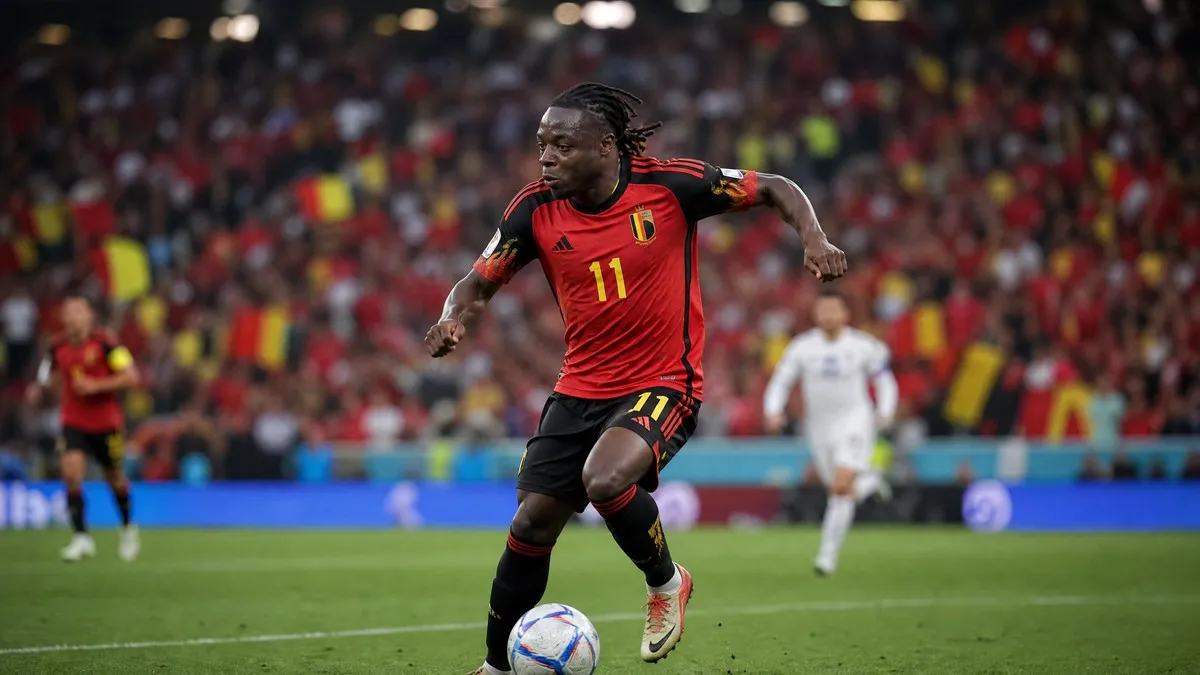
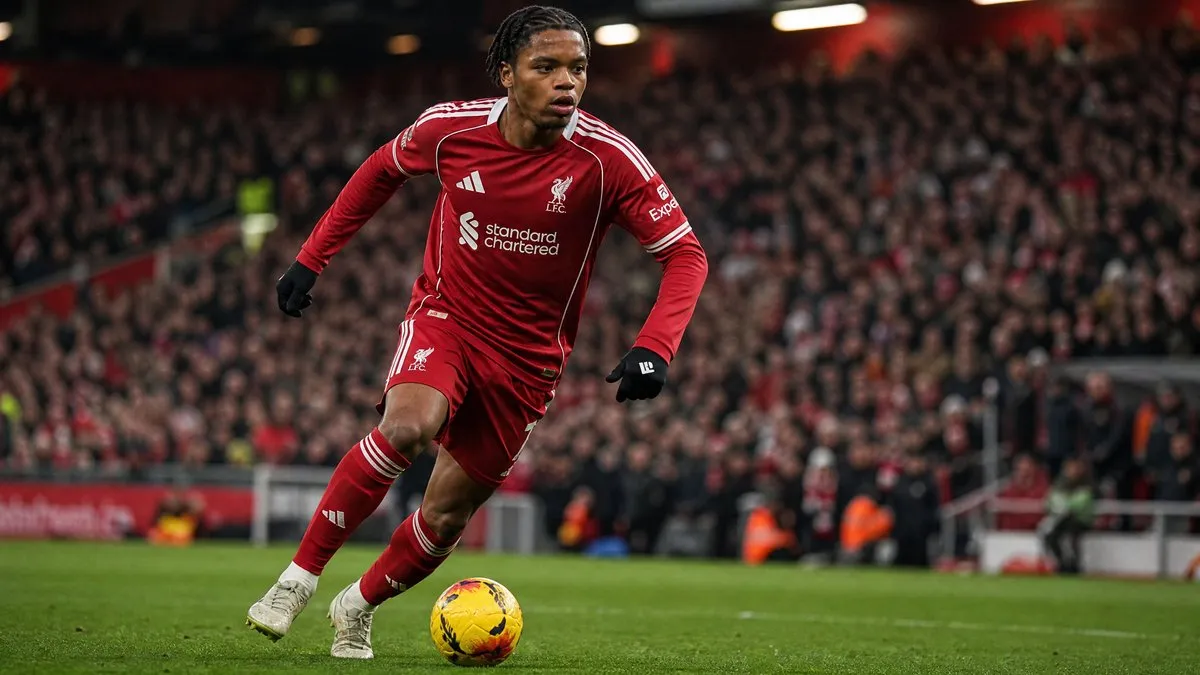
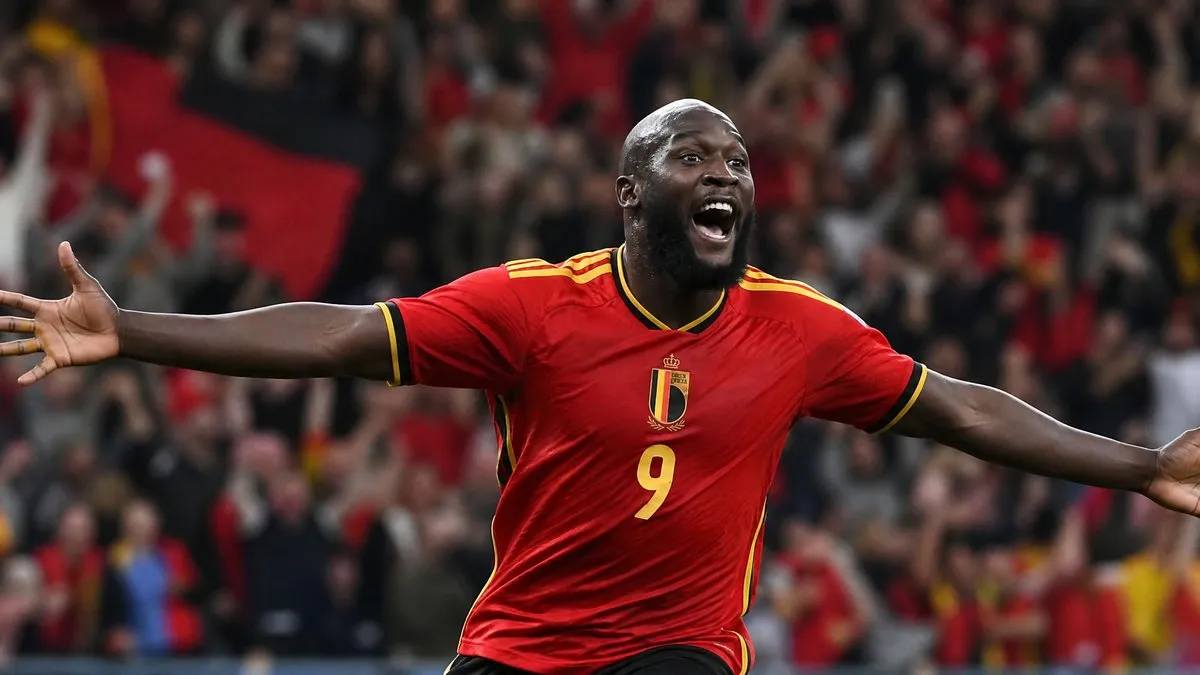
Recent examples such as Jérémy Doku, Youri Tielemans, Romelu Lukaku, and Albert Sambi Lokonga highlight this approach. These players were developed at Anderlecht and later sold for substantial fees, funding the club’s operations and reinvestment.
But how effective has Anderlecht’s academy really been from a sporting and financial perspective? And how does it compare to the spending models of Europe’s elite?
This analysis focuses on the modern era of Anderlecht’s academy and uses publicly available transfer-fee data from Transfermarkt’s RSC Anderlecht record departures, applying the same framework used in the Barcelona/La Masia and Real Madrid/La Fábrica analyses.
Included
Permanent transfers of academy-developed players with reported fees
Excluded
Loan fees
Wages and bonuses
Agent commissions
Accounting amortisation
Any overhead and exploitation of the grounds and trainer/management fees
Key metrics
Gross transfer profit/loss: sale fee minus purchase fee
Sporting return: domestic titles and first-team contribution
Players developed at Neerpede are treated as having a zero acquisition cost, allowing a direct comparison between homegrown players and those bought on the open market.
From a financial standpoint, the difference between academy players and bought players is structural.
A homegrown player represents a low-risk asset. If the player succeeds, Anderlecht benefit on the pitch. If not, any sale fee still represents pure transfer profit.
A bought player, by contrast, must be sold for more than the original purchase price to avoid a loss. Injuries, tactical mismatches, declining form, or contracts running down frequently prevent that from happening. Over time, this creates asymmetric downside risk.
That distinction underpins Anderlecht’s long-term story: Neerpede creates repeated “free options,” while the transfer market contains expensive write-off risk that a club of Anderlecht’s size can rarely absorb.
Key finding: Neerpede has generated reliable, recurring transfer profit while supplying the first team.
Academy graduates such as Jérémy Doku, Youri Tielemans, Zeno Debast, Albert Sambi Lokonga, Romelu Lukaku, and Vincent Kompany were developed internally and later sold for significant fees. Because their acquisition cost was effectively zero, nearly every euro earned translated directly into profit. The fees below are taken from Transfermarkt’s record departures for Anderlecht.
Player | Season Sold | Buying Club | Sale Fee (€m) | Purchase Fee (€m) | Gross Profit (€m) |
2020/21 | Rennes | 26.0 | 0 | +26.0 | |
2017/18 | Monaco | 25.0 | 0 | +25.0 | |
2024/25 | Sporting CP | 18.05 | 0 | +18.05 | |
2021/22 | Arsenal | 17.5 | 0 | +17.5 | |
2011/12 | Chelsea | 15.0 | 0 | +15.0 | |
2019/20 | Wolves | 13.8 | 0 | +13.8 | |
2022/23 | Dortmund | 13.0 | 0 | +13.0 | |
2015/16 | Newcastle | 12.0 | 0 | +12.0 | |
2006/07 | Hamburg | 10.5 | 0 | +10.5 | |
Enzo Scifo | 1987/88 | Inter | 8.65 | 0 | +8.65 |
2019/20 | 1.FC Köln | 8.25 | 0 | +8.25 | |
2016/17 | Sampdoria | 8.0 | 0 | +8.0 |
Total Neerpede gross transfer profit (selected sales): +€176.0M
These figures cover only the headline academy exits and exclude numerous smaller sales, sell-on clauses, and add-ons, meaning the true total is higher. The key point is consistency: Neerpede produces value repeatedly and with minimal downside risk, even in a small domestic market. (Transfermarkt)
Unlike the elite clubs, whose academies primarily generate profit and depth, Neerpede has historically been the foundation of Anderlecht’s on-pitch dominance. Anderlecht are Belgium’s most successful club, with 34 Belgian league titles — more than any rival — alongside nine Belgian Cups and European honours including the UEFA Cup (1982/83) and two Cup Winners’ Cups (1975/76 and 1977/78). Many of those championship squads were anchored by academy graduates rather than expensive imports.
This is the central difference in the Anderlecht model. Where Real Madrid finish their first team with high-ceiling purchases and Barcelona blend La Masia with selective signings, Anderlecht have repeatedly fielded teams in which homegrown players form the spine. The academy is therefore both the club’s competitive advantage at home and its financial lifeline abroad.
Over the past two decades, Anderlecht’s reliance on Neerpede has followed a clear cycle tied to the club’s sporting and financial health. In strong periods, academy graduates not only filled the squad but led it: a young Vincent Kompany captained the side before his move to Hamburg and later Manchester City, while later generations produced internationals such as Tielemans, Dendoncker, Doku, and Debast.
When financial pressure intensified, the academy became even more important, as selling a single graduate could fund an entire transfer window. The trade-off is that Anderlecht frequently lose their best young players at an early age, before they reach their peak — a structural feature of being a selling club in a smaller league.
The data reinforces a simple conclusion: Anderlecht’s most sustainable periods, both sporting and economic, coincide with their strongest commitment to Neerpede.
It is useful to place Neerpede alongside the two most analysed academies in European football.
Academy | Primary Purpose | Typical Outcome |
Neerpede (Anderlecht) | Win domestically + sell to survive | Record titles at home, early sales abroad |
La Masia (Barcelona) | Build the first team + selective sales | Sustained dominance, steady profit |
La Fábrica (Real Madrid) | Depth + recurring profit engine | Few starters, high sales revenue |
The contrast is clear. Barcelona and Real Madrid use their academies to support clubs that compete for the Champions League. Anderlecht use Neerpede to remain competitive at all — turning developed talent into both trophies and transfer income. For a deeper look at the elite models, see how La Masia shaped Barcelona’s dominance and how La Fábrica built Real Madrid’s titles and profits.
Transfer profits alone do not fully capture the impact of Anderlecht’s recruitment decisions. To understand the sporting consequences, it is useful to examine how transfer outcomes align with changes in squad market value.
For a club of Anderlecht’s size, squad value is shaped less by expensive purchases and more by the timing of academy sales. Each major Neerpede departure removes a high-value asset from the squad, yet the same sales fund the recruitment and promotion that keep the squad competitive. The relationship between selling and rebuilding is therefore central to how Anderlecht’s valuation rises and falls.
Anderlecht’s squad value tends to peak when a strong academy generation matures together before being sold, as seen in the periods that produced players such as Tielemans, Dendoncker, and Doku. When that generation is sold in quick succession to balance the books, the squad’s market value drops sharply until the next cohort emerges.
More recently, squad value has begun to stabilise. This recovery aligns with:
renewed reliance on Neerpede graduates
earlier integration of academy players into the first team
reduced exposure to high-fee external signings
While selling the best young players limits how high squad value can climb, the disciplined reinvestment of those fees protects Anderlecht from the asymmetric downside risk that has damaged larger clubs.
Over the past two decades, Anderlecht’s reliance on Neerpede has followed a clear cycle that mirrors the club’s sporting and financial health. In their strongest periods, academy graduates did not simply fill the squad — they led it, forming the spine of title-winning teams and providing the captains, internationals, and future stars who defined each generation.
Academy representation in the first team has historically risen during periods of financial pressure, when promoting homegrown talent was both a sporting choice and an economic necessity. The trade-off is that Anderlecht frequently lose their best graduates at an early age, before they reach their peak, as a single sale can fund an entire transfer window. This is a structural feature of being a selling club in a smaller league.
The data reinforces a simple conclusion: Anderlecht’s most sustainable periods, both sporting and economic, coincide with their strongest commitment to Neerpede. When the academy supplies the core of the first team, the club competes domestically and generates the transfer income that sustains it — the dual role that no external recruitment model has been able to replicate at Anderlecht.
Three conclusions stand out.
The academy produces steady transfer value with minimal downside risk, and in Anderlecht’s case that revenue is not optional — it sustains the entire club.
Anderlecht cannot absorb expensive failures the way elite clubs can, which makes reliable academy output even more valuable.
By winning domestically with homegrown players and selling them at the right moment, the club has remained Belgium’s benchmark while funding itself.
From a football finance perspective, the data points in one direction: Neerpede has consistently created value — both in trophies and in transfer income.
Anderlecht’s academy is more than a development pathway. It is the club’s most reliable economic engine and the foundation of its record-breaking domestic success. While Anderlecht operate on a far smaller budget than the Spanish giants, the underlying lesson is the same one taught by La Masia and La Fábrica:
Developing players is no longer just tradition, it is economic necessity.
Discover how La Masia shaped Barcelona’s dominance
Explore how Real Madrid’s La Fábrica built titles and profits

Julian Mercer is a lifelong student of the game whose passion for football was sparked at an early age, after stepping onto the grass of Camp Nou as a six-year-old — a moment that left a lasting impression and set him on a permanent path into the sport. Since then, football has been both his lens on the world and his favourite language. Blending traditional fandom with a deep interest in tactics, squad building, and long-term team development, Julian has spent decades analysing the game from every angle. His fascination with football strategy was further shaped through years of immersive play in Football Manager, a series he has followed since the mid-1990s, developing a sharp eye for patterns, player profiles, and the fine margins that define success. At My World Of Football, Julian focuses on the stories beneath the surface — from tactical evolutions and managerial philosophies to the narratives that connect clubs, players, and supporters across generations. His writing aims to balance insight with accessibility, always grounded in a genuine love for the game.
Continue reading more football news