
Estoril
EPF Portugal
Estoril Stadium
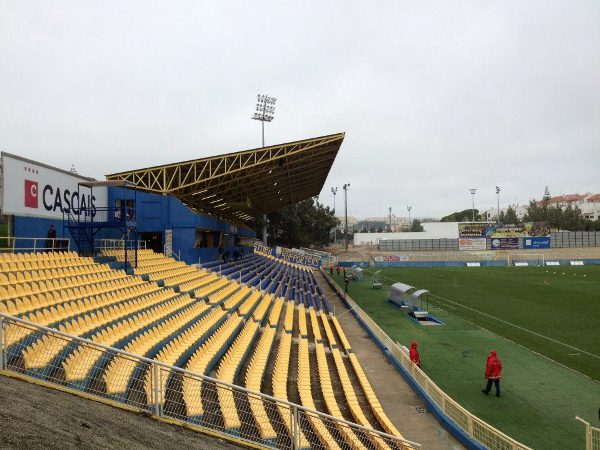
Estádio António Coimbra da Mota
The Estadio Antonio Coimbra da Mota is the home of Estoril Praia, located at Rua Dom Bosco in Estoril, in the Cascais municipality of the Lisbon Metropolitan Area, on the Estoril Coast of the Atlantic. The stadium holds 8,000 spectators and has served the club across many decades in various forms. Named after a former president of the club, the ground sits in one of Portugal's most fashionable coastal resort communities, famous for its casino - the largest in Europe - its Grand Prix circuit, and its reputation as a haven for exiled European royalty and nobility during the Second World War. This glamorous context gives Estoril Praia a distinctive identity within Portuguese football.
Estoril Praia have spent periods alternating between the Primeira Liga and lower divisions, and their most celebrated modern era came between 2011 and 2016 when they established themselves in the top flight and competed in the UEFA Europa League, bringing European football to the Estoril Coast for the first time. The club's coastal location, attractive training facilities, and proximity to Lisbon - just 30 kilometres to the east - make it an attractive destination for players who appreciate the quality of life alongside professional football. The club's academy has produced talented players who have progressed to careers in Portugal and internationally.
The Estadio Antonio Coimbra da Mota's modest capacity reflects the club's scale, but the intimate coastal setting and the distinctive Estoril identity give it a charm unlike most Portuguese grounds. The stadium is overlooked by the hills of the Serra de Sintra and lies close to the Atlantic beaches that define the Estoril Coast. Estoril Praia's continued presence in or near the Primeira Liga provides the resort town with a connection to Portugal's top-flight football culture, and the club's proximity to Lisbon and the wider sporting infrastructure of the capital region continues to shape its identity as one of Portuguese football's most distinctive provincial clubs.