La Liga Winners List: Every Spanish Champion From 1929 to 2025
La Liga winners list from 1929 to today. Discover every Spanish champion, dominant eras, surprise winners, and who has the most La Liga titles.
La Liga winners list from 1929 to today. Discover every Spanish champion, dominant eras, surprise winners, and who has the most La Liga titles.
Since 1929, La Liga has crowned the best club in Spain. From the early dominance of Athletic Bilbao to the modern duopoly of Real Madrid and FC Barcelona, this competition tells the story of Spanish football itself.
So who has won La Liga the most? Real Madrid leads the all-time La Liga winners list with 36 titles. FC Barcelona follows with 28. Atletico Madrid sits third with 11 championships. These three clubs have shaped the identity of the Spanish league for nearly a century.
But La Liga history isn't just about the big names. Nine different clubs have lifted the trophy since the competition's inception. Some, like Deportivo La Coruña and Real Sociedad, enjoyed brief golden eras. Others, like Sevilla and Real Betis, can claim just a single title.
The competition format has changed over time. Early seasons featured fewer teams and a different points system. Today, LaLiga EA Sports hosts 20 clubs battling across 38 matchdays.
This complete La Liga champions list covers every season from 1929 to 2025. Not just names and numbers. The stories behind them.
The table below shows every La Liga champion since the competition began. You'll find the season, winner, points total, and runners up for each campaign.
A quick note on points: La Liga used a two-points-for-a-win system until 1995-96. From then on, three points for a win became standard. This explains why older champions have lower point totals. The number of teams and matches also changed over the decades.
For a detailed breakdown of each campaign, check our la liga winners by year guide.
Season | Champion | Pts | Runners Up |
2024-25 | FC Barcelona | 88 | Real Madrid |
2023-24 | Real Madrid | 95 | FC Barcelona |
2022-23 | FC Barcelona | 88 | Real Madrid |
2021-22 | Real Madrid | 86 | FC Barcelona |
2020-21 | Atletico Madrid | 86 | Real Madrid |
2019-20 | Real Madrid | 87 | FC Barcelona |
2018-19 | FC Barcelona | 87 | Atletico Madrid |
2017-18 | FC Barcelona | 93 | Atletico Madrid |
2016-17 | Real Madrid | 93 | FC Barcelona |
2015-16 | FC Barcelona | 91 | Real Madrid |
2014-15 | FC Barcelona | 94 | Real Madrid |
2013-14 | Atletico Madrid | 90 | FC Barcelona |
2012-13 | FC Barcelona | 100 | Real Madrid |
2011-12 | Real Madrid | 100 | FC Barcelona |
2010-11 | FC Barcelona | 96 | Real Madrid |
2009-10 | FC Barcelona | 99 | Real Madrid |
2008-09 | FC Barcelona | 87 | Real Madrid |
2007-08 | Real Madrid | 85 | Villarreal |
2006-07 | Real Madrid | 76 | FC Barcelona |
2005-06 | FC Barcelona | 82 | Real Madrid |
2004-05 | FC Barcelona | 84 | Real Madrid |
2003-04 | Valencia | 77 | FC Barcelona |
2002-03 | Real Madrid | 78 | Real Sociedad |
2001-02 | Valencia | 75 | Deportivo La Coruña |
2000-01 | Real Madrid | 80 | Deportivo La Coruña |
1999-00 | Deportivo La Coruña | 69 | FC Barcelona |
1998-99 | FC Barcelona | 79 | Real Madrid |
1997-98 | FC Barcelona | 74 | Athletic Bilbao |
1996-97 | Real Madrid | 92 | FC Barcelona |
1995-96 | Atletico Madrid | 87 | Valencia |
1994-95 | Real Madrid | 55 | Deportivo La Coruña |
1993-94 | FC Barcelona | 56 | Deportivo La Coruña |
1992-93 | FC Barcelona | 58 | Real Madrid |
1991-92 | FC Barcelona | 55 | Real Madrid |
1990-91 | FC Barcelona | 51 | Atletico Madrid |
1989-90 | Real Madrid | 62 | Valencia |
1988-89 | Real Madrid | 62 | FC Barcelona |
1987-88 | Real Madrid | 60 | Real Sociedad |
1986-87 | Real Madrid | 58 | FC Barcelona |
1985-86 | Real Madrid | 56 | FC Barcelona |
1984-85 | FC Barcelona | 51 | Atletico Madrid |
1983-84 | Athletic Bilbao | 50 | Real Madrid |
1982-83 | Athletic Bilbao | 52 | Real Madrid |
1981-82 | Real Sociedad | 47 | FC Barcelona |
1980-81 | Real Sociedad | 50 | Real Madrid |
1979-80 | Real Madrid | 53 | Real Sociedad |
1978-79 | Real Madrid | 47 | Atletico Madrid |
1977-78 | Real Madrid | 46 | FC Barcelona |
1976-77 | Atletico Madrid | 46 | FC Barcelona |
1975-76 | Real Madrid | 43 | FC Barcelona |
1974-75 | Real Madrid | 46 | Real Zaragoza |
1973-74 | FC Barcelona | 48 | Atletico Madrid |
1972-73 | Atletico Madrid | 48 | FC Barcelona |
1971-72 | Real Madrid | 48 | Valencia |
1970-71 | Valencia | 44 | FC Barcelona |
1969-70 | Atletico Madrid | 44 | Athletic Bilbao |
1968-69 | Real Madrid | 45 | Las Palmas |
1967-68 | Real Madrid | 42 | FC Barcelona |
1966-67 | Real Madrid | 45 | FC Barcelona |
1965-66 | Atletico Madrid | 41 | Real Madrid |
1964-65 | Real Madrid | 40 | Atletico Madrid |
1963-64 | Real Madrid | 40 | FC Barcelona |
1962-63 | Real Madrid | 40 | Atletico Madrid |
1961-62 | Real Madrid | 40 | FC Barcelona |
1960-61 | Real Madrid | 42 | Atletico Madrid |
1959-60 | FC Barcelona | 46 | Real Madrid |
1958-59 | FC Barcelona | 47 | Real Madrid |
1957-58 | Real Madrid | 44 | Atletico Madrid |
1956-57 | Real Madrid | 40 | Sevilla |
1955-56 | Athletic Bilbao | 42 | FC Barcelona |
1954-55 | Real Madrid | 40 | FC Barcelona |
1953-54 | Real Madrid | 38 | FC Barcelona |
1952-53 | FC Barcelona | 38 | Valencia |
1951-52 | FC Barcelona | 43 | Athletic Bilbao |
1950-51 | Atletico Madrid | 32 | Sevilla |
1949-50 | Atletico Madrid | 33 | Deportivo La Coruña |
1948-49 | FC Barcelona | 39 | Valencia |
1947-48 | FC Barcelona | 37 | Valencia |
1946-47 | Valencia | 35 | Athletic Bilbao |
1945-46 | Sevilla | 32 | FC Barcelona |
1944-45 | FC Barcelona | 31 | Real Madrid |
1943-44 | Valencia | 38 | Atletico Madrid |
1942-43 | Athletic Bilbao | 36 | Sevilla |
1941-42 | Valencia | 41 | Real Madrid |
1940-41 | Atletico Madrid | 33 | Athletic Bilbao |
1939-40 | Atletico Madrid | 29 | Sevilla |
1935-36 | Athletic Bilbao | 31 | Real Madrid |
1934-35 | Real Betis | 34 | Real Madrid |
1933-34 | Athletic Bilbao | 33 | Real Madrid |
1932-33 | Real Madrid | 28 | Athletic Bilbao |
1931-32 | Real Madrid | 33 | Athletic Bilbao |
1930-31 | Athletic Bilbao | 22 | Real Sociedad |
1929-30 | Athletic Bilbao | 30 | FC Barcelona |
1928-29 | FC Barcelona | 25 | Real Madrid |
Note: No competition was held between 1936-1939 due to the Spanish Civil War.
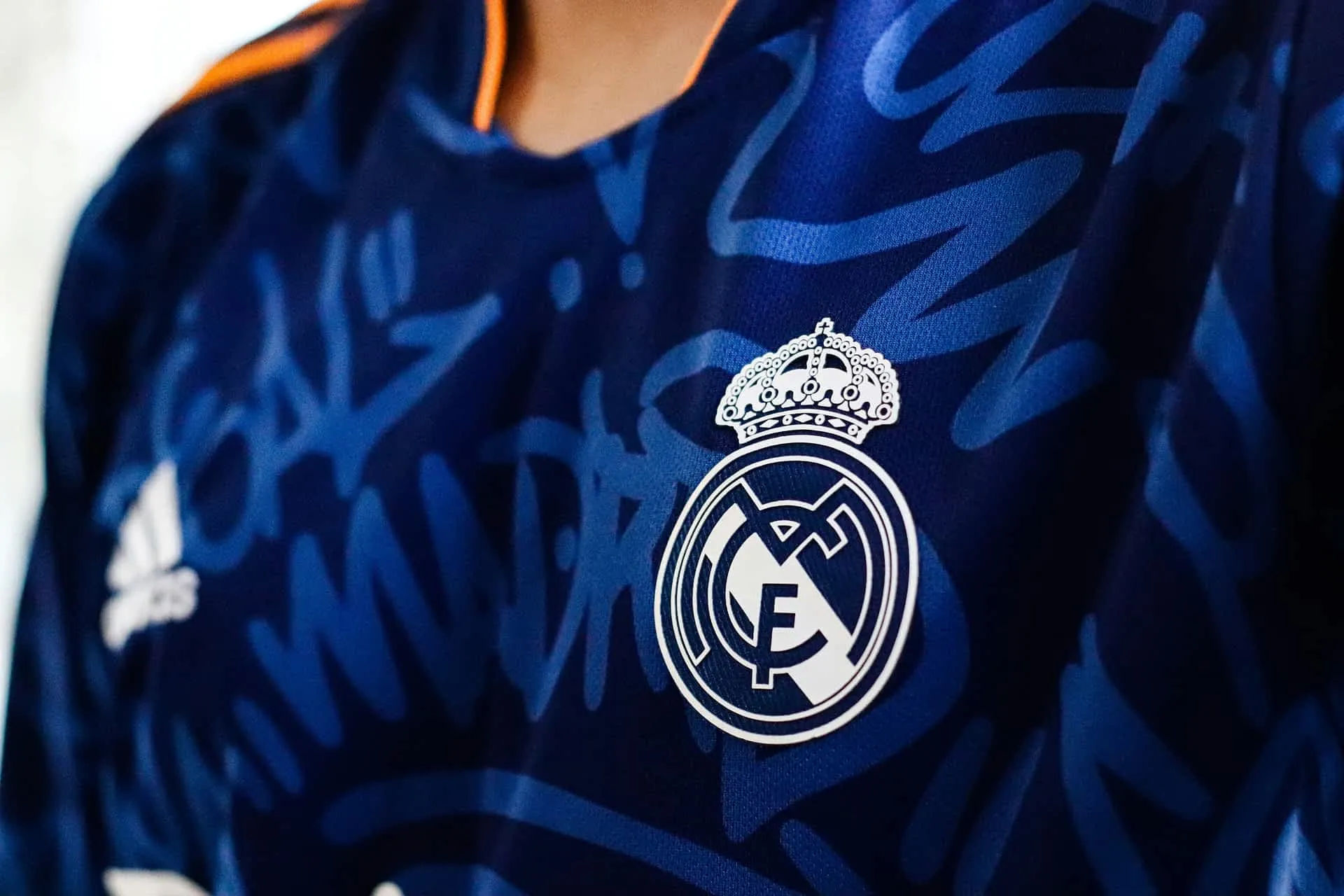
Real Madrid is the most successful club in La Liga history. No other team comes close to their 36 titles. Their dominance spans multiple generations and eras.
The 1960s belonged to Real Madrid. With Alfredo Di Stéfano leading the attack, Los Blancos won five consecutive titles between 1961 and 1965. This period also brought five European Cup trophies to the Spanish capital. The connection between domestic and continental success defined the club's identity.
Another golden era arrived in the late 1980s. Real Madrid won five straight La Liga titles from 1986 to 1990. The famous Quinta del Buitre generation powered this run. Players like Emilio Butragueño, Michel, and Hugo Sánchez became legends at the Bernabéu.
More recently, Zinedine Zidane delivered two La Liga titles as manager in 2017 and 2020. Carlo Ancelotti added another in 2022 and defended it successfully in 2023-24 with 95 points. Real Madrid CF remains the benchmark for success in Spain.
Much of that sustained dominance has been supported by the club’s youth development system, particularly through La Fábrica, Real Madrid’s academy, which has produced talent contributing to multiple title-winning squads.
FC Barcelona have won La Liga 28 times. Their first title came in the inaugural 1928-29 season. Many more followed across different eras of Spanish football.
Johan Cruyff transformed Barcelona as a manager in the early 1990s. His Dream Team won four consecutive titles from 1991 to 1994. This side played attractive, attacking football that changed how Spain viewed the game. The philosophy Cruyff introduced later became institutionalized within La Masia, Barcelona’s academy that helped build multiple La Liga title-winning generations, reinforcing the club’s long-term dominance in Spain.
Pep Guardiola took those ideas further. Between 2008 and 2012, Barcelona won three La Liga titles playing tiki-taka football. This team is often called the greatest club side ever assembled. The 2009-10 season brought 99 points. The 2012-13 campaign reached 100 points under Tito Vilanova.
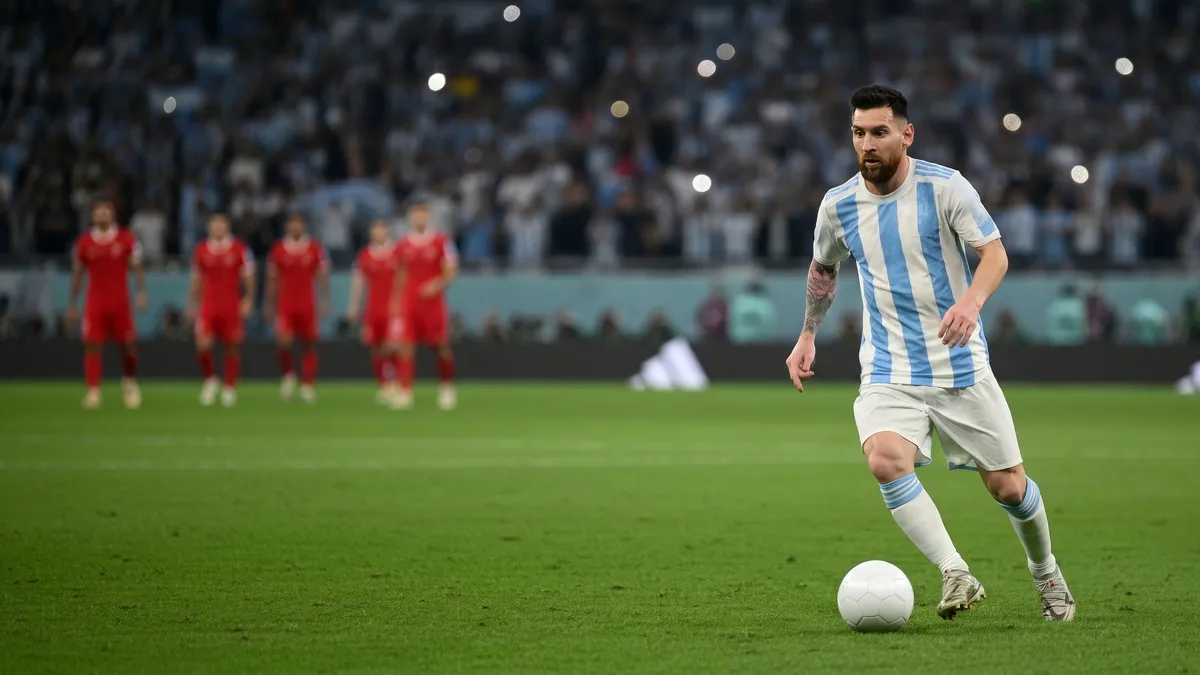
Lionel Messi powered much of this success. In 2011-12, Messi scored 50 goals in La Liga alone. No player had ever reached that number in a single Spanish league season. His individual brilliance helped Barcelona dominate for over a decade.
After some difficult years, Barcelona found form again under Hansi Flick. The German coach led the club to the 2024-25 title with 88 points. A young squad featuring Lamine Yamal delivered a domestic treble. The Catalan giants are back among Europe's elite.
Atletico Madrid have won 11 La Liga titles. They remain the only club outside the big two to seriously challenge for championships in the modern era.
Their first golden period came in the 1950s. Under manager Helenio Herrera, Atlético Madrid won back-to-back titles in 1950 and 1951. Herrera later became famous for his defensive tactics at Inter Milan. But his Atletico side could attack with the best.
The club added more titles in the 1960s and 1970s. Three championships arrived between 1966 and 1977. Atletico Madrid established themselves as a genuine force in Spanish football during this time.
Diego Simeone revived the club's fortunes in the 2010s. His Atletico side won La Liga in 2013-14 with 90 points. They held off both Real Madrid and Barcelona in a remarkable title race. Simeone delivered another championship in 2020-21. That season went down to the final day, with Atletico finishing two points ahead of Real Madrid.
Atletico Madrid may not match the trophy counts of their rivals. But they remain essential to La Liga history.
Nine clubs have won La Liga since 1929. Real Madrid, FC Barcelona, and Atletico Madrid dominate the headlines. But six other clubs have lifted the trophy. Their stories deserve telling.
Athletic Bilbao won eight La Liga titles. Only three clubs have won more. In the early years of Spanish football, Athletic were a dominant force.
The Basque club claimed four titles in the first eight seasons of La Liga. They won in 1930, 1931, 1934, and 1936. Athletic Bilbao played attractive football and produced talented homegrown players. The Spanish Civil War interrupted their momentum.
After the war, Athletic added more silverware. Titles in 1943 and 1956 kept them among Spain's elite. Their final two championships came back-to-back in 1983 and 1984. That side featured goalkeeper Andoni Zubizarreta and striker Dani.
Athletic Bilbao operate under a unique policy. They only sign players with Basque heritage. This limits their transfer options but strengthens their identity. No other major European club follows such strict rules. Their eight titles prove that philosophy can still bring success.
The wait for a ninth title continues. Over 40 years have passed since their last championship. But Athletic remain a respected institution in Spanish football.
Valencia have won La Liga six times. Their history includes long periods of success followed by painful droughts.
The club's first golden era came in the 1940s. Valencia won three titles between 1942 and 1947. Players like Mundo and Amadeo made them one of Spain's best sides. A fourth title followed in 1971.
Rafael Benítez brought Valencia back to the top in the early 2000s. His team won La Liga in 2001-02 and 2003-04. Valencia played disciplined, tactical football. They also reached two Champions League finals during this period. Spanish football briefly had a genuine third force.
Since 2004, Valencia have struggled. Financial problems and poor management derailed the club. They haven't seriously challenged for La Liga in two decades. The gap between their potential and reality remains one of Spanish football's biggest disappointments.
Real Sociedad have won La Liga twice. Both titles came in consecutive seasons. For two years, they were the best team in Spain.
In 1980-81, Real Sociedad won their first championship. They finished ahead of Real Madrid on goal difference. It was the closest title race La Liga had seen in years. The following season, they defended their crown. Back-to-back titles from a club outside Madrid and Barcelona seemed impossible. Real Sociedad made it happen.
That team featured Spanish legends. Goalkeeper Luis Arconada and midfielder Xabi Alonso's father, Periko Alonso, starred for the Basque side. Their success inspired a generation of fans in San Sebastián.
Real Sociedad have remained competitive since. They regularly qualify for European competition. But a third La Liga title has proven elusive. Those two years in the early 1980s remain the peak of their history.
Three other clubs can call themselves La Liga champions. Each won the title just once. Their victories stand as reminders that Spanish football wasn't always a two-horse race.
Sevilla claimed their only La Liga title in 1945-46. They finished ahead of FC Barcelona by three points. The Andalusian club has since become a Europa League powerhouse. Six European trophies fill their cabinet. But domestic league glory remains a distant memory.
Real Betis won La Liga in 1934-35. They finished two points above Real Madrid in a tight title race. Betis remain the only club from Seville's green half to win the championship. Nearly 90 years later, that single title still defines their proudest moment.
Deportivo La Coruña had their moment in 1999-2000. The Super Depor era brought genuine excitement to La Liga. With players like Roy Makaay and Diego Tristán, Deportivo won the title by five points. They had been runners up four times in the 1990s. Finally, they broke through.
Deportivo finished as runners up twice more after their title win. Financial troubles eventually caught up with the Galician club. They dropped down the football league pyramid. But that 1999-2000 season remains one of La Liga's great stories.
La Liga history spans nearly a century. Different clubs have dominated different periods. Understanding these eras helps explain how Spanish football evolved into what it is today.
The first era of La Liga belonged to Athletic Bilbao and FC Barcelona. These two clubs shared seven of the eight titles before the Spanish Civil War.
Athletic Bilbao won four championships in this period. Their Basque players set the standard for Spanish football. Barcelona claimed two titles, including the inaugural 1928-29 season. Real Madrid managed just two championships. They had not yet become the dominant force.
The competition format was still finding its feet. Only ten teams contested the first season. The league expanded gradually over the following years. Spanish football was regional and developing.
Everything stopped in 1936. The Spanish Civil War halted all football activity for three years. La Liga resumed in 1939-40. But the landscape of Spanish football would soon change dramatically.
Real Madrid transformed in the 1950s. The signing of Alfredo Di Stéfano changed everything. Spanish football would never be the same.
Di Stéfano arrived in 1953 and immediately lifted Real Madrid to new heights. Ferenc Puskás joined in 1958. Together, they formed one of football's greatest partnerships. Real Madrid won five consecutive European Cup titles between 1956 and 1960. No club had ever dominated Europe so completely.
Domestic success followed naturally. Real Madrid won eight La Liga titles between 1954 and 1965. Their European reputation attracted the best players. Their La Liga dominance funded continental ambitions. The two competitions fed each other.
This era established Real Madrid as the biggest club in the world. Their white shirts became synonymous with success. The standards set in the 1950s and 1960s still define the club's expectations today.
FC Barcelona spent decades chasing Real Madrid. Johan Cruyff changed that. First as a player, then as a manager, the Dutchman revolutionized the Catalan club.
Cruyff's Dream Team won four straight La Liga titles from 1991 to 1994. More importantly, he established a philosophy. Barcelona would play attacking football built from the academy. La Masia became the most famous youth system in world football.
Pep Guardiola inherited Cruyff's ideas and perfected them. His Barcelona team between 2008 and 2012 played football many consider the best ever seen. Xavi, Iniesta, and Messi controlled matches with relentless possession. Tiki-taka became a global phenomenon.
Lionel Messi deserves special mention. His individual brilliance defined this era. In 2011-12, Messi scored 50 La Liga goals in a single season. No player in La Liga history had reached that number. He won four consecutive Ballon d'Or awards. Barcelona built everything around their Argentine genius.
This period brought 13 La Liga titles to Camp Nou. FC Barcelona matched and occasionally surpassed Real Madrid. Spanish football had become a genuine two-club rivalry at the highest level.
The last decade has reinforced the dominance of Spain's two giants. Real Madrid and FC Barcelona have won nine of the last ten La Liga titles. Only Atletico Madrid has interrupted their duopoly.
For a complete breakdown of recent champions, see our la liga winners list last 10 years guide.
Atletico Madrid won La Liga in 2013-14 and 2020-21. Diego Simeone's side proved that tactical organization and team spirit could overcome bigger budgets. Both titles went down to the final weeks. Atletico showed that a third force can still compete.
Real Madrid dominated the middle of the decade. Zinedine Zidane delivered two titles during his time as manager. Carlo Ancelotti continued the success. Los Blancos won 36 titles with their 2023-24 championship. They remain the team to beat in Spain.
Barcelona struggled after Messi's departure in 2021. Rebuilding took time. But Hansi Flick has restored order at Camp Nou. The 2024-25 season brought their 28th La Liga title. Barcelona won all four Clásicos against Real Madrid. The domestic treble confirmed their return.
Young talents are emerging. Lamine Yamal has already become one of football's brightest stars. The Spanish teenager won his first La Liga title in 2024-25. At just 17, his potential seems limitless. The next generation of Spanish football looks secure.
Other clubs continue to challenge. Girona's third-place finish in 2023-24 surprised everyone. Real Sociedad regularly compete for European spots. But the title race itself remains a contest between two or three clubs.
Nearly a century of competition has produced remarkable records. Some achievements may never be matched. Others have been broken and broken again as Spanish football evolved.
Real Madrid holds the record for consecutive La Liga titles. They have achieved five in a row twice. No other club has managed this feat even once.
The first run came between 1961 and 1965. Di Stéfano's Madrid swept aside all competition. They won five straight championships while also dominating Europe. This era established Real Madrid as the benchmark for Spanish football.
The second run arrived from 1986 to 1990. The Quinta del Buitre generation powered this success. Hugo Sánchez scored goals at will. Real Madrid looked unstoppable for half a decade. Five consecutive titles matched their own record.
FC Barcelona came close with four straight titles under Johan Cruyff from 1991 to 1994. They added another four-year run from 2005 to 2008. Guardiola's team won three consecutive championships between 2009 and 2011. But Barcelona have never managed five in a row.
Atletico Madrid's longest streak stands at just two consecutive titles. They achieved this in 1950 and 1951 under Helenio Herrera. The gap between the big two and everyone else shows clearly in these records.
The 2011-12 and 2012-13 seasons produced historic point totals. Both Real Madrid and FC Barcelona reached 100 points. No team had ever accumulated so many in a single La Liga campaign.
Real Madrid got there first. In 2011-12, José Mourinho's side finished with 100 points and a goal difference of plus 89. They scored 121 goals in 38 matches. Cristiano Ronaldo netted 46 times. This remains the record for goals scored by a team in a La Liga season.
FC Barcelona matched the 100-point mark the following year. Tito Vilanova's team finished with a goal difference of plus 75. They scored 115 goals across the campaign. Lionel Messi contributed 46 of them.
The highest goal difference in La Liga history belongs to Real Madrid. That 2011-12 season produced a plus 89 differential. Barcelona's best was plus 89 in 2014-15 under Luis Enrique. The attacking quality of Spanish football during this period was extraordinary.
Individual scoring records fell regularly. Messi's 50 La Liga goals in 2011-12 stands as the all-time record. Ronaldo's 48 goals in 2014-15 ranks second. These numbers seemed impossible before this era of Spanish football.
Not every season produces a runaway winner. Some La Liga campaigns have been decided by the smallest margins. Head-to-head records and goal difference have determined champions.
La Liga uses a specific tiebreaker system. When teams finish equal on points, the head-to-head record between them decides the title. This means the results from direct matches matter most. Goal difference only applies if head-to-head records are also equal. Fans often call this the head-to-head rule.
The 1980-81 season showcased this drama. Real Sociedad and Real Madrid finished level on points. Real Sociedad took the title based on head-to-head results. San Sebastián celebrated a historic first championship.
Atletico Madrid's 2013-14 title came down to the final day. They needed a draw at Barcelona to secure the championship. Antoine Griezmann's goal gave them the lead. Diego Godín headed in to make it safe. Atletico won 1-1 at Camp Nou. The tension was unbearable.
The 2006-07 season saw Real Madrid beat Barcelona by just four points. Both teams stumbled in the final weeks. Real Madrid held their nerve better. The title race went to the penultimate matchday before being decided.
These tight finishes remind fans why La Liga remains compelling. The big clubs don't always cruise to victory. Drama and tension still define many seasons.
Real Madrid have won the most La Liga titles with 36 championships. Their first came in 1931-32. Their most recent arrived in 2023-24 under Carlo Ancelotti. No other club in Spanish football comes close to this record.
Real Madrid, FC Barcelona, and Atletico Madrid have shared the last 20 La Liga titles. The competition has been dominated by these three clubs since 2005. For a detailed breakdown of recent champions, check our la liga winners list last 10 years guide.
Yes. FC Barcelona have won La Liga 28 times. They claimed the very first title in 1928-29 and most recently won in 2024-25 under Hansi Flick. Barcelona are the second most successful club in the competition's history.
Lionel Messi scored 50 La Liga goals in the 2011-12 season. This remains the all-time record for goals scored in a single Spanish league campaign. No player before or since has reached this number.
Real Madrid have won more La Liga titles than Barcelona. The current count stands at 36 titles for Real Madrid versus 28 for FC Barcelona. Real Madrid lead by eight championships in the all-time standings.
When two or more teams finish equal on points, La Liga uses head-to-head results as the first tiebreaker. The results from direct matches between the tied teams determine the final positions. Goal difference only matters if head-to-head records are also equal. This system has decided several tight title races throughout La Liga history.
Lamine Yamal has won one La Liga title. He claimed his first championship in the 2024-25 season with FC Barcelona under Hansi Flick. The teenage star played a key role in Barcelona's domestic treble that year.
Twenty teams compete in La Liga at the highest level. Each club plays 38 matches per season, facing every opponent home and away. The bottom three teams are relegated to the Segunda División at the end of each campaign.

Julian Mercer is a lifelong student of the game whose passion for football was sparked at an early age, after stepping onto the grass of Camp Nou as a six-year-old — a moment that left a lasting impression and set him on a permanent path into the sport. Since then, football has been both his lens on the world and his favourite language. Blending traditional fandom with a deep interest in tactics, squad building, and long-term team development, Julian has spent decades analysing the game from every angle. His fascination with football strategy was further shaped through years of immersive play in Football Manager, a series he has followed since the mid-1990s, developing a sharp eye for patterns, player profiles, and the fine margins that define success. At My World Of Football, Julian focuses on the stories beneath the surface — from tactical evolutions and managerial philosophies to the narratives that connect clubs, players, and supporters across generations. His writing aims to balance insight with accessibility, always grounded in a genuine love for the game.
Continue reading more football news